
Chronic Pains

Chronic pain is defined as pain that persists beyond the expected period of healing, often lasting months or even years. Unlike acute pain, which signals immediate injury, chronic pain may originate in the body, brain, or spinal cord, and can be challenging to treat. Studies estimate that 10%–55% of people worldwide experience chronic pain.
Causes:
- Injury or tissue damage that does not fully heal
- Neuropathic pain from nerve damage or dysfunction
- Chronic diseases such as arthritis or fibromyalgia
- Central sensitization in the brain or spinal cord
Effects on Health:
- Reduced physical activity, potentially leading to weight gain
- Higher risk of depression, anxiety, and sleep disturbances
- Increased 10-year mortality, particularly from heart and respiratory diseases
- Social and emotional impact, influenced by the support system around the person
Management & Prevention Tips:
- Medications: Non-opioid medicines are recommended first; opioids may be used cautiously under strict medical supervision
- Therapies: Psychological approaches like cognitive behavioral therapy (CBT) and acceptance and commitment therapy (ACT) improve quality of life
- Lifestyle measures: Gentle exercise, balanced diet, proper sleep, and stress management
- Support: Emotional and social support can improve resilience and coping with pain
While chronic pain may not always be completely eliminated, early intervention, proper treatment, and supportive care can significantly improve function and quality of life.
-30 %
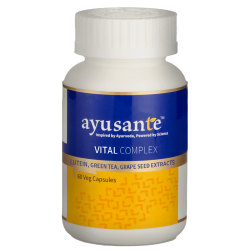
Brand: Ayusante
Ayusante Vital Complex Vital Complex is a combination of powerful natural antioxidants
that act as a shield to protect from degenerative diseases and also
provide strength, vigour and vitality to lead a healthy life.
Power-packed with anti-oxidant rich phyto-actives, this composition
helps..
₹ 1,143 ₹ 801
Ex Tax:₹ 801
-30 %
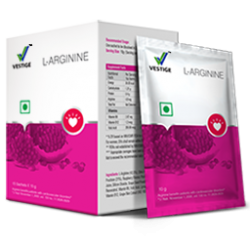
Brand: Vestige Marketing Pvt Ltd
L-Arginine Vestige L-Arginine is packed with 5 heart-health enhancing super ingredients that
promote healthy functioning of the heart by restoring the production of
nitric oxide – necessary for preventing cardiovascular diseases. It is
specially formulated to help regulate blood cholesterol ..
₹ 1,935 ₹ 1,355
Ex Tax:₹ 1,355
-30 %
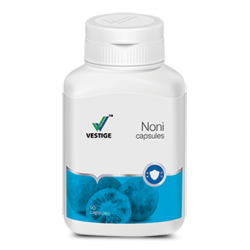
Brand: Vestige Marketing Pvt Ltd
Noni Capsules A tropical evergreen tree native to South
East Asia, Noni or Morinda citrifolia is a rich source of protein,
carbohydrates and high concentration of phytonutrients, vitamins and
minerals. It supports overall health and well being. It contains
Xeronine, which enables enlar..
₹ 801 ₹ 561
Ex Tax:₹ 561
Showing 1 to 3 of 3 (1 Pages)