Anaemia
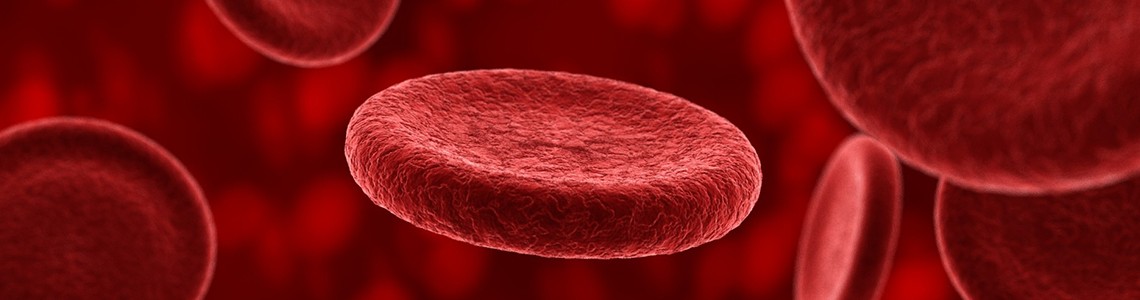
Anaemia is a condition where your body has a lower-than-normal number of red blood cells or reduced haemoglobin levels. Red blood cells carry oxygen throughout the body using haemoglobin, so a deficiency can reduce the blood’s oxygen-carrying capacity, leading to fatigue, weakness, and other health issues.
Common Causes:
• Iron deficiency – the most frequent cause of microcytic anaemia (small red blood cells)
• Low red blood cell production – often due to bone marrow problems, B-vitamin deficiencies (B12, folate), viral infections, autoimmune disorders, or low EPO hormone levels
• Excessive destruction of red blood cells (hemolytic anaemia) – caused by autoimmune reactions, infections, physical damage, or overactive spleen
• Combination of factors – sometimes anaemia results from multiple causes, including poor nutrition, chronic disease, or genetic disorders
Effects on the Body:
• Fatigue and weakness
• Shortness of breath
• Dizziness or lightheadedness
• Pale or yellowish skin
• Reduced physical performance and endurance
Prevention & Support:
• Consume iron-rich foods (leafy greens, legumes, red meat)
• Include B12 and folate in your diet
• Maintain overall nutritional balance and healthy lifestyle
• Address underlying health conditions with medical guidance
• Regular blood tests to monitor red blood cell and haemoglobin levels
⚠️ Anaemia can be complex and have multiple causes. Proper diagnosis and treatment by a healthcare professional are essential for safe and effective management.