Acidity

Acidity, also known as acid reflux, occurs when excess stomach acid flows back into the oesophagus, causing a burning sensation in the chest (heartburn). Normally, stomach acid helps digest food, but when produced in excess or when the valve between the stomach and oesophagus weakens, it leads to discomfort and pain.
Frequent acidity (more than twice a week) may be diagnosed as Gastroesophageal Reflux Disease (GERD), a more serious condition that requires attention.
Common Causes:
• Poor eating habits (spicy, oily, or junk food)
• Overeating or eating late at night
• Stress and lack of sleep
• Smoking and alcohol consumption
• Obesity
• Sedentary lifestyle
Possible Risks if Untreated:
• Damage to the oesophagus (ulcers, inflammation, narrowing)
• Increased risk of oesophageal cancer
• Tooth enamel erosion leading to cavities
• Chronic discomfort affecting daily life
Prevention Tips:
• Eat smaller, balanced meals at regular intervals
• Avoid lying down immediately after eating
• Reduce intake of spicy, fatty, and acidic foods
• Maintain a healthy weight
• Quit smoking and limit alcohol
• Manage stress and get proper sleep
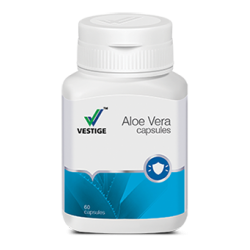
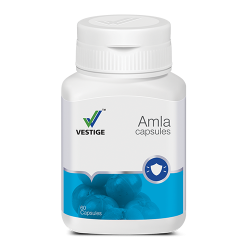
Support with Supplements:
• Digestive support supplements
• Probiotics for gut health
• Antioxidants to reduce inflammation
• Nutritional supplements for overall digestive balance
Making simple lifestyle changes and maintaining healthy eating habits can go a long way in preventing acidity and improving digestive health.